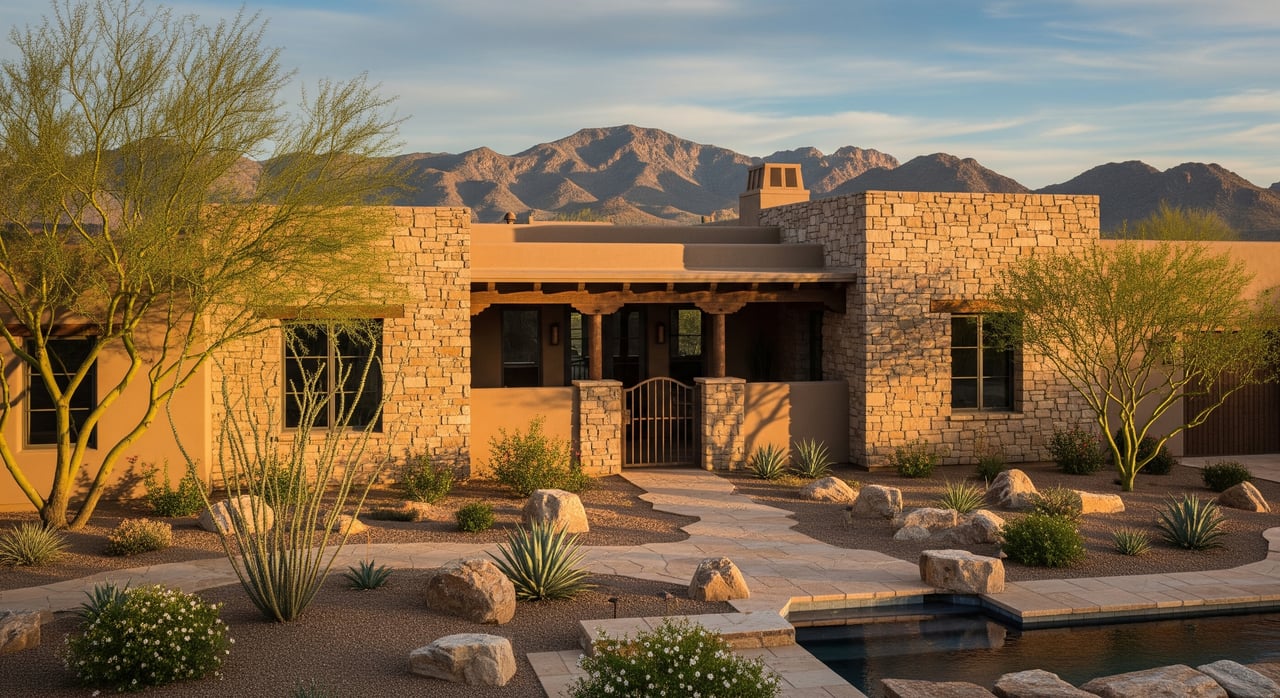
Shiny model homes can draw a crowd in San Tan Valley, but they don’t have to steal your best buyers. If you plan to sell in the next few months, you may worry that builder incentives and brand-new finishes will overshadow your home. You’re not alone, and there is a clear path to win.
This guide shows you how to price, prep, and market your resale so buyers see clear value compared to nearby new construction. You’ll learn which incentives make sense, how to time your launch, and what to expect with Arizona-specific disclosures and appraisals. Let’s dive in.
Know the San Tan Valley market
Your pricing and incentive choices should reflect what is happening right now in San Tan Valley and the broader Phoenix–Mesa area. Before you list, review current closed prices, days on market, inventory, and any active builder promotions in nearby subdivisions. Rate trends and lender appetite can also shift what buyers value most.
Use local sources like ARMLS, Arizona REALTORS market reports, Pinal County public records, and builder sales offices and websites to confirm current offers. Align your strategy with actual buyer demand in your neighborhood.
What new builds offer buyers
Common builder incentives
- Interest-rate buydowns that lower the buyer’s initial payment.
- Closing-cost credits that reduce out-of-pocket costs.
- Included upgrades like cabinets, counters, flooring, or window coverings.
- Waived lot premiums and preferred-lender packages.
- Flexible closing and possession to match construction timelines.
Buyer perceptions to address
- New equals low maintenance and warranty protection.
- Incentives can make the net cost feel lower than the sticker price.
- Payment-focused buyers may favor a buydown over a price cut.
Resale advantages to spotlight
Your edge is real and valuable when you present it clearly:
- Immediate move-in with no construction delays.
- Mature landscaping, shade, and finished outdoor living.
- Completed upgrades and usable lot orientation.
- Potentially lower fees depending on the subdivision.
- Documentation and transparency that reduce perceived risk.
Price to compete with new builds
Build a net-effective comparison
Don’t look at list price alone. Compare nearby new-build base pricing plus the value of included upgrades and current incentives to get a true net cost to the buyer. Then position your price against that number.
Choose your lever: price, terms, or features
- List slightly under market to spark activity when inventory is tight.
- List at market and use targeted concessions to mimic builder incentives without a permanent price drop.
- Lead with features if your lot, upgrades, or move-in readiness outshine the model homes. Adjust quickly if builders change their promos.
Smart concessions that preserve price
You can deliver buyer value without giving up more than necessary on price:
- Closing-cost credits tailored to the buyer’s loan program.
- Temporary rate buydowns. Coordinate with the buyer’s lender to confirm what’s allowed.
- A one-year home warranty to mirror builder warranty peace of mind.
- Flexible possession to fit the buyer’s timing.
- Credits for known items or modest landscaping updates.
Concessions can protect your headline price while matching a buyer’s monthly-payment goals. Always verify concession limits by loan type and document everything clearly.
Your 3–6 month prep plan
90–180 days out: research and assess
- Scan active new construction nearby and list out typical incentives and included upgrades.
- Get a comparative market analysis that factors in new-build comps.
- Consider a pre-list home inspection to flag issues early and build trust.
- Gather bids for repairs and prioritize safety and systems.
60–90 days out: fix and refresh
- Complete mechanical and safety repairs first.
- Tackle high-impact, low-cost updates: neutral paint, lighting, hardware, and faucets.
- Boost curb appeal: trim, mulch, pressure wash, and repair visible exterior items.
- Replace very dated finishes only if expected to pay off in your area.
30–60 days out: stage and document
- Declutter and stage key rooms so they compete with model-home polish.
- Purchase a one-year home warranty and include it in your materials.
- Collect permits, warranties, receipts, HOA documents, utility bills, and your Seller Property Disclosure Statement.
- Schedule professional photos and a virtual tour.
0–30 days out: launch with intent
- Deep clean and maintain curb appeal.
- Market the property’s move-in advantages, mature yard, and completed upgrades.
- Use open houses that overlap builder traffic and resale buyers.
Staging and messaging that win
- Showcase outdoor living with shade, seating, and entertaining zones.
- Keep kitchens and baths spotless, bright, and uncluttered.
- Highlight flexible spaces like a home office or play area.
- Provide a simple comparison for your agent’s use that lists upgrades, yard size, typical costs, and your warranty and inspection summary.
Negotiation tactics beyond price
- Offer flexible or quick closings based on buyer needs.
- Calibrate earnest money to signal seriousness.
- Right-size inspection windows. Short can be strong but be sure it’s workable.
- If needed, consider appraisal gap terms after weighing risk and value.
- Spell out any home warranty and seller-paid credits clearly.
Financing, appraisal, and Arizona disclosures
Rate buydowns and credits
Rate buydowns and closing-cost credits must meet lender and loan-program rules. Confirm details with the buyer’s lender before you commit so financing stays on track.
Appraisals and comps
Appraisers look to recent sales. Builder incentives may not fully show in recorded prices, which is why your agent should present a clear CMA and document your home’s improvements and permits for the appraiser.
Required disclosures and HOA documents
Arizona sellers must disclose known material facts and latent defects using state forms. Many San Tan Valley homes sit in HOAs, so plan for the timing and cost of the HOA resale packet and clarify who typically pays the transfer fees. If your home was built before 1978, complete the federal lead-based paint disclosures.
Measure ROI before you spend
Think in break-even terms. Estimate how a repair, refresh, or incentive will improve price or reduce days on market. A small cosmetic project or a temporary buydown can cost less than a later price cut while protecting your net. Keep receipts so your agent can support value in marketing and appraisal.
Common mistakes to avoid
- Ignoring builder promos when setting price and terms.
- Over-improving with updates buyers will not pay for.
- Skipping documentation like permits, warranties, and disclosures.
- Offering concessions that exceed loan limits or are not lender-approved.
Your East Valley advantage
Competing with new construction takes a precise plan, strong presentation, and savvy negotiation. With broker-level involvement and premium marketing, you can show clear value and protect your net. If you want a step-by-step launch plan tailored to your San Tan Valley neighborhood and your move-out timeline, let’s talk.
Ready to position your home to win against new builds? Connect with Yolana Isham for a custom pricing and incentive strategy, pro staging guidance, and premium marketing. Get Your Instant Home Valuation and a clear plan to sell with confidence.
FAQs
How should I price a resale home against new builds in San Tan Valley?
- Build a net-effective comparison that adds new-build base price, typical included upgrades, and current incentives, then position your price and terms to beat the total value buyers see.
What seller concessions best match builder incentives in San Tan Valley?
- Target closing-cost credits, a temporary rate buydown verified with the lender, and a one-year home warranty to mirror builder value without overspending.
Is a seller-paid rate buydown worth it when selling in San Tan Valley?
- Often yes if payment-focused buyers dominate; a temporary buydown can cost less than a price cut and protect your headline price when structured within loan rules.
Should I order a pre-list home inspection for a San Tan Valley sale?
- It helps you fix issues early, support pricing, and reduce repair negotiations so your home feels as low-risk as possible next to new construction.
How do Arizona HOA resale documents impact my sale in San Tan Valley?
- Many homes have HOAs with required resale packets and transfer fees; plan timing and costs in advance and clarify who pays so there are no surprises in escrow.
What if builders change incentives after I list in San Tan Valley?
- Monitor nearby promotions weekly and adjust with time-limited incentives, targeted credits, or timely price moves to stay competitive without overreacting.